
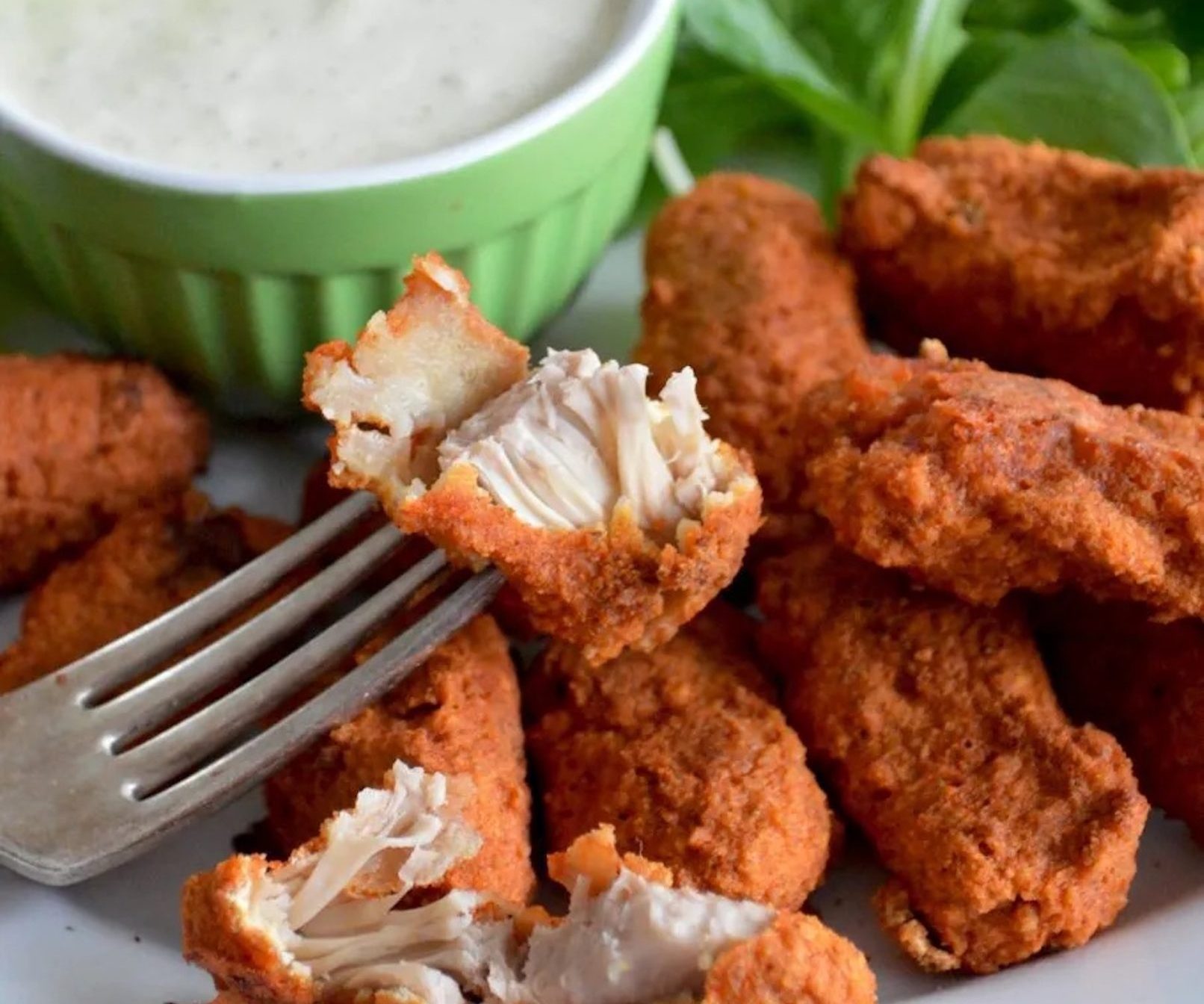
Chicken tenders are one of the most versatile ingredients when it comes to freezer meals. They’re quick to cook, mild enough to pair with almost any flavor profile, and perfectly sized to meet any level of appetite. When prepared thoughtfully, freezer-friendly chicken tender meals can save you hours during the week while still delivering balanced, nourishing meals.
Why Chicken Tenders Work So Well for Freezer Meals
Naturally Fast-Cooking
Chicken tenders are cut from the tenderloin, a small strip of meat under the breast. Because they’re thin and uniform, they cook quickly and evenly—whether baked, air-fried, sautéed, or slow-cooked after freezing. This makes them ideal for freezer meals that need to go from frozen (or thawed) to the table fast.
Neutral Flavor = Endless Versatility
Unlike stronger-tasting cuts, chicken tenders adapt easily to marinades, sauces, and seasonings. One batch can be used across multiple cuisines—Italian-inspired, Mediterranean, comfort food, kid-friendly classics, or globally flavored meals—without feeling repetitive.
Easy Portion Control
Because tenders are already individually sized, they’re simple to portion before freezing. This helps reduce food waste and makes it easier to pull out exactly what you need for a family meal, lunch prep, or single serving.
Texture Holds Up After Freezing
When frozen properly, chicken tenders maintain their texture better than larger cuts. They’re less prone to drying out, especially when paired with a marinade or sauce that protects the meat during freezing and reheating.
What Cut of Chicken Are Chicken Tenders?
Despite the name, chicken tenders aren’t just smaller chicken breasts or strips cut from random pieces of meat. Chicken tenders (also called chicken tenderloins) are a specific cut of chicken that comes from the underside of the breast.
Each chicken has two tenderloins, which are thin, narrow strips of meat attached to the breast by a tendon. When separated during butchering, these become the chicken tenders you see packaged at the store.
Because of where they’re located, chicken tenders are:
-
Naturally more tender than chicken breast
-
Lower in connective tissue
-
Uniform in thickness
-
Quick to cook without drying out
This natural tenderness is why chicken tenders don’t require long cooking times or heavy processing to taste good—and why they hold up so well in freezer meals.
Chicken Tenders vs. Chicken Breast Strips
It’s worth noting that not all “chicken tenders” sold at the store are true tenderloins. Some packages labeled as tenders are actually chicken breast strips that have been sliced into a similar shape.
Both can be used for freezer meals, but there are a few differences:
-
True chicken tenders cook faster and stay juicier
-
Chicken breast strips may need slightly longer cooking time
-
Breast strips benefit more from marinades or sauces before freezing
For freezer-friendly chicken tender meals, either option works, but knowing which cut you’re using helps prevent overcooking and keeps textures consistent after freezing and reheating.
The Best Ways to Prep Chicken Tenders for the Freezer
Freezer success starts before anything goes into the freezer. The way you prep your chicken tenders determines whether they reheat juicy and flavorful or dried out. I like to keep both on hand: raw freezer meals for planned dinners and cooked tenders for last-minute meals.
Raw vs. Cooked Freezer Prep
Both methods work, but each serves a different purpose:
Freezing raw chicken tenders
-
Ideal for dump-and-cook meals
-
Great for slow cooker, Instant Pot, or oven baking
-
Often paired with marinades or sauces
Freezing cooked chicken tenders
-
Best for ultra-fast meals
-
Perfect for air fryer or skillet reheating
-
Ideal for wraps, salads, bowls, and kid lunches
How do I Meal Prep Chicken Tenders for the Freezer?
Packaging is one of the most overlooked steps, but it’s one of the most important.
Best Packaging Methods
-
Freezer-safe zip-top bags with air removed
-
Freezer containers with tight-fitting lids
Label Everything
Include:
-
Meal name
-
Date prepped
-
Cooking or reheating instructions
Common Mistakes to Avoid
-
Freezing chicken while still warm
-
Not removing excess air from bags
-
Overcooking before freezing
-
Freezing plain, unseasoned chicken
If you’re new to making freezer meals our blog posts How to Store Freezer Meals and What Makes a Good Freezer Meal? are great resources!
How do I Reheat Chicken Tenders Without Drying Them Out?
Best Reheating Methods
-
Air fryer: ideal for cooked or breaded tenders
-
Oven: best for larger batches
-
Skillet with lid: great for sauced tenders
-
Slow cooker or Instant Pot: best for raw freezer meals

Different Ways to Serve Chicken Tenders
One reason chicken tenders get dismissed is because they’re associated with kid food. But freezer-friendly chicken tender meals can be just as satisfying and adult-friendly with the right pairings. Here are some of my favorite ways to elevate chicken tenders:
-
Serve over grain or veggie bowls
-
Add roasted vegetables or sautéed greens
-
Use as protein for salads or wraps
-
Pair with flavorful sauces or dips
-
Finish with fresh herbs or citrus zest
Chicken Tenders for Families and Special Diets
Chicken tenders are one of the easiest proteins to adapt to different needs.
Families and Kids
-
Mild flavors freeze best
-
Keep sauces on the side when possible
-
Pre-slice cooked tenders for easy serving
Nutrition-Focused Meals
-
Lean protein supports satiety
-
Easy to pair with fiber-rich sides
-
Works well in balanced macro-style meals
Dietary Restrictions
-
Naturally gluten-free when unbreaded
-
Easy to keep dairy-free or allergen-friendly
-
Simple ingredient lists make label control easier
Freezer-Friendly Chicken Tender Recipes
Final Thoughts
Freezer-friendly chicken tender meals are fast, adaptable, budget-friendly, and easy to build into meals that meet everyone’s needs and preferences. By understanding how to prep, freeze, and reheat chicken tenders properly, you can turn a simple cut of meat into dozens of flexible meals that support busy schedules without sacrificing flavor or nutrition.


