

If you’ve had gastric bypass surgery, you know that it’s not just about the surgery—it’s about making lasting changes to your eating habits to set yourself up for long-term success. One of the best ways to stay on track with your diet post-surgery is through bariatric freezer meals. These meals are not only super convenient, but they also help you avoid overeating, keep you organized, and ensure you always have something healthy ready to go. Plus, they save you time during the week, which is always a win!
The Bariatric Diet for Long-Term Success
After gastric bypass surgery, your stomach size changes, and that affects how your body processes food. That means you need to focus on eating smaller portions and making smart choices with your meals. You’re also likely to have different nutritional needs than before surgery.
The key to a successful bariatric diet long-term is making sure you’re getting:
-
Enough protein: Protein is essential for muscle building and recovery, plus it keeps you feeling full longer.
-
Limited carbs: You don’t have to cut out carbs entirely, but you’ll want to focus on the good, complex carbs that give you energy without spiking your blood sugar.
-
Healthy fats: Fats are important for brain health and hormone function, so include them in moderation.
-
Vitamins and minerals: After surgery, some people need to take vitamin supplements to make sure they’re getting everything they need.

Foods to Include in Bariatric Freezer Meals
When it comes to freezer meals, the name of the game is portion control. With your smaller stomach after surgery, you want to make sure you’re eating the right balance of nutrients without overloading on calories.
Protein-Packed Options
Protein is your best friend after bariatric surgery—it helps with muscle maintenance, keeps you feeling full, and supports overall health. Here are some great options to stock up on:
-
Chicken breast: Skinless, boneless chicken is lean and easy to use in tons of different dishes.
-
Turkey: Ground turkey or turkey breast can be added to soups, casseroles, or tacos.
-
Fish: Salmon, tilapia, and cod are high in protein and packed with healthy fats.
-
Eggs: Eggs are perfect for breakfast or snacks. You can make egg muffins or frittatas and freeze them for easy meals.
-
Greek yogurt: Unsweetened Greek yogurt is a great protein source and works well in smoothies or as a topping for other meals.
Veggies to Keep You Full
Veggies are a must-have in your diet, providing fiber, vitamins, and minerals. Since your stomach is smaller, focus on easy-to-digest, low-calorie vegetables that pack a nutritional punch.
-
Leafy greens: Spinach, kale, and arugula are packed with nutrients and can be added to salads or stir-fries.
-
Zucchini: Zucchini is a super versatile vegetable. It can be spiralized into noodles, added to soups, or roasted.
-
Cauliflower: This veggie can be mashed or used as a low-carb rice or pizza crust substitute.
-
Broccoli: A great source of fiber and vitamins, broccoli can be roasted, steamed, or added to casseroles.
-
Carrots: Carrots are full of vitamin A and can be roasted or added to your favorite stews or soups.
Healthy Fats for Balance
Healthy fats are important, but you don’t need a ton of them in each meal. Focus on adding moderate amounts to support overall health.
-
Avocados: Full of healthy fats, avocados are great on salads, in wraps, or just on their own.
-
Olive oil: Use olive oil to sauté veggies or as a dressing. It’s a great source of monounsaturated fats.
-
Nuts and seeds: Almonds, chia seeds, and flaxseeds are awesome for snacking or adding to your meals, just be mindful of portions since they’re calorie-dense.
-
Coconut oil: Great for cooking or baking with a touch of healthy fat.
Whole Grains (In Moderation)
Whole grains can fit into your diet in small amounts. They provide fiber and energy without the blood sugar spikes of refined carbs.
-
Quinoa: A nutrient-dense, gluten-free grain that’s higher in protein and fiber than most other grains.
-
Brown rice: A whole grain option that’s packed with fiber. You can use it as a side dish or in casseroles.
-
Oats: Steel-cut oats or rolled oats are a great breakfast option that you can prep ahead and freeze.
Great Recipes for a Bariatric Diet
Freezer Fit has a ton of delicious recipes that are great for people on a bariatric diet.Three of our favorites below are high in protein, use healthy sauces that keep the meat from becoming dry (making it easier to digest) and can be served over cauliflower rice or zucchini noodles for added vitamins and fiber:
For more recipe inspiration, our post 20 Best Frozen Meals for Weight Loss: Slim Down With Flavor is a great starting point.
Foods to Avoid in Bariatric Freezer Meals
While there are plenty of delicious foods to enjoy post-surgery, there are some that should be limited or avoided altogether to ensure your long-term success.
Sugary Foods and Drinks
After surgery, your body becomes more sensitive to sugar. Eating or drinking sugary foods can lead to something called “dumping syndrome,” which can cause nausea, dizziness, and stomach upset. To avoid this, steer clear of:
-
Sugary snacks: Avoid cakes, cookies, and other sweets. They offer little nutritional value and can lead to cravings.
-
Sugary drinks: Sodas, fruit juices, and energy drinks are full of empty calories and sugar. Stick to water, unsweetened tea, or low-calorie beverages.
Refined Carbs
Refined carbs like white bread, pasta, and rice are low in fiber and can spike your blood sugar. Instead, opt for whole grains, vegetables, and high-fiber options to keep you satisfied longer.
Processed Meats
Processed meats like bacon, sausage, and deli meats can be high in unhealthy fats, sodium, and preservatives. It’s better to focus on lean proteins like chicken, turkey, and fish.
Fried Foods
Fried foods contain a lot of unhealthy fats and extra calories. These can hinder your weight loss efforts and make it harder to stick to your goals, so stick with baked, grilled, or steamed options instead.
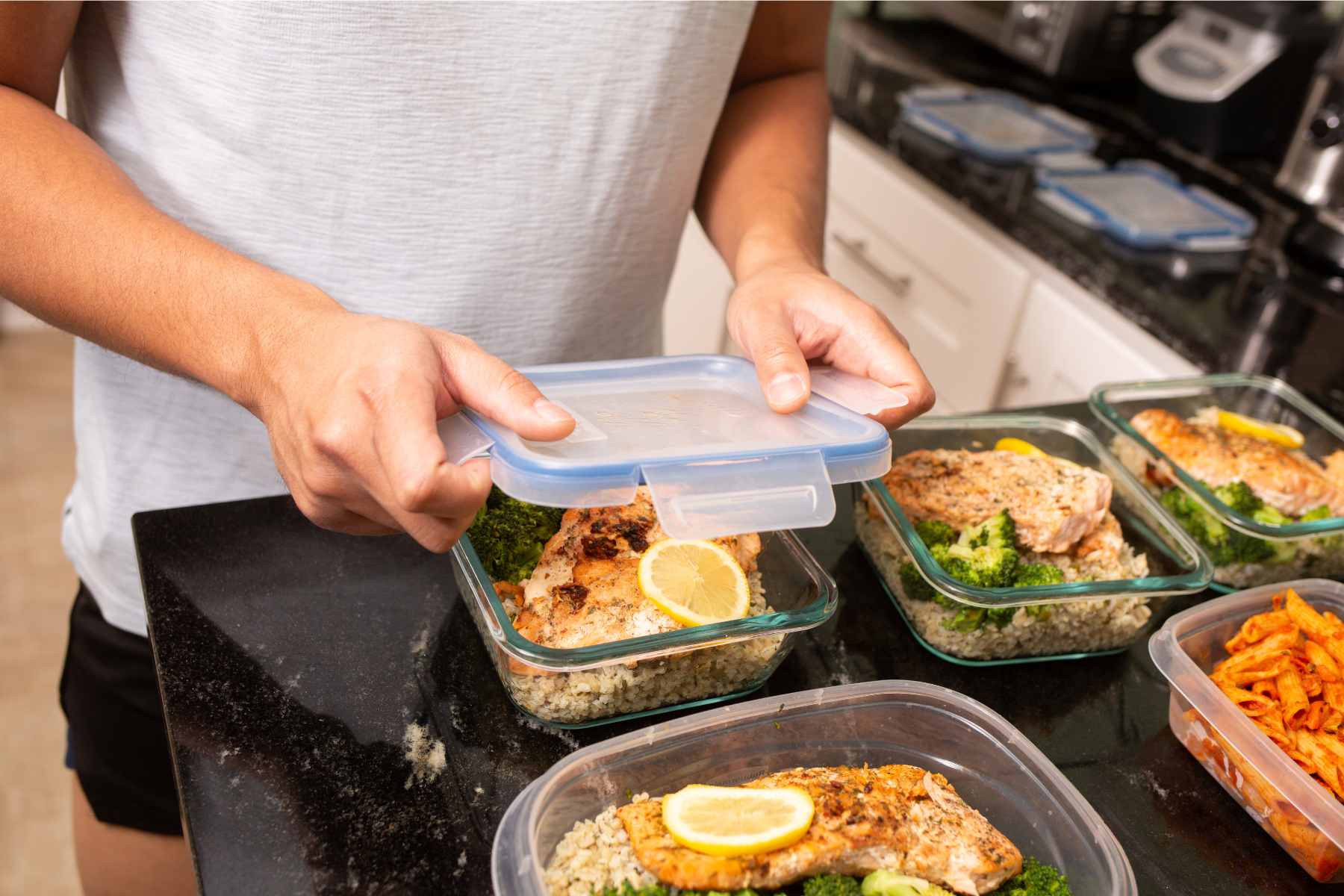
Portion Control and Freezer Meal Prep Tips
The key to making freezer meals work for you is all about portion control. Your stomach is smaller after gastric bypass surgery, so you want to make sure you’re eating small, balanced meals throughout the day. Here are some tips to make meal prep easy:
-
Use small containers: Invest in smaller containers (1-2 cup size) to help control portions. This way, you’ll know exactly how much you’re eating and avoid overeating.
-
Cook in bulk: Prepare your meals in advance and freeze them in individual portions. This makes it easy to grab a meal when you’re in a rush or don’t feel like cooking.
-
Label everything: Be sure to label your meals with ingredients, portion sizes, and the date you prepped them. This will help you stay organized and avoid any confusion.
-
Balance your meals: Aim for a balanced mix of protein, veggies, and healthy fats in each meal. Try to limit carbs to a small portion, and opt for whole grains when you do include them.
If you’re new to freezer meals, our posts How To Make Freezer Meals and How to Store Freezer Meals are great resources.
Bariatric freezer meals are a fantastic way to stay on track with your diet after gastric bypass surgery. By focusing on nutrient-rich, protein-packed foods and avoiding sugary, processed, and fried options, you can ensure you’re getting the right nutrients to fuel your body. Portion control is key, and with a little prep work, you can make sure you have healthy, easy meals ready to go whenever you need them.


